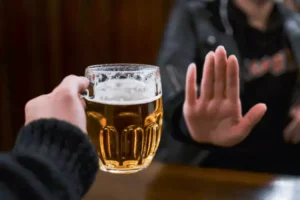
Drinking while taking a seizure medication like Keppra or Dilantin can leave you feeling drowsy or dizzy, and can actually increase the risk of a seizure. In short, alcohol and pain medication are a deadly combination, so it’s best not to mix them. If you had an alcoholic beverage and are not sure if you should take an OTC pain reliever, you can ask a local pharmacist or primary care provider if it is safe to do so. Having an alcoholic drink while you are taking medications to treat prostate conditions can cause dizziness, lightheadedness, and fainting.
What Happens When You Get Caught with Prescription Drugs?
Prescription opioids include hydrocodone, oxycodone and hydromorphone. Prescription opioids have a chemical composition that is similar to heroin, making their effects similar as well. Opioids are effective pain medications, but they also cause euphoria and enhance the pleasure/reward centers. Warfarin is a commonly used medication to prevent blood clots, sold under the name Coumadin. People who drink occasionally may have internal bleeding while taking this medication.
- They also produce a general calming effect, including slowed breathing, sleepiness, and deep relaxation.
- Medications can interact with alcohol to produce different or increased effects.
- An opioid addict may combine prescription opiates with alcohol use to potentiate their opiate high.
- Melatonin is generally safe when used alone to improve sleep in people who have trouble falling or staying asleep.
- The sedating effect of these drugs can be increased by alcohol, leading to slowed or impaired breathing, impaired motor control, abnormal behavior, memory loss, and fainting.
For Severe Pain
Healthcare providers can sometimes diagnose pill esophagitis based on your symptoms and recent medication history. For example, if you’re experiencing painful swallowing and chest pain while taking an antibiotic, this may be enough for your healthcare provider to make a diagnosis. To avoid potentially harmful interactions, always keep your health care providers in the loop about any and all medications, supplements, or herbal remedies you’re using. Additionally, the combination of naltrexone and alcohol has the effect of gradually erasing alcohol addiction from the brain. Studies have demonstrated that naltrexone is more effective at stopping drinking long-term when it is combined with alcohol in early treatment.
Types of Drugs That Can Interact With Alcohol

Avoid driving, operating machinery, or engaging in potentially hazardous activities requiring mental alertness and motor coordination until you know how the medication affects you. By Buddy TBuddy T is a writer and founding member of the Online Al-Anon Outreach Committee with decades of experience writing about alcoholism. Because he is a member of a support group that stresses the importance of anonymity at the public level, he does not use his photograph or his real name on this website. It’s possible that if you use them together, antibiotics may be less effective at clearing up the infection that you are being treated for.
- Dietary supplements are not regulated as drugs, and few studies are available.
- Mixing benzodiazepines and alcohol can prove to be a deadly combination.
- Some dietary supplements can cause your medications to work differently.
- We can, however, practice harm reduction, and do our best to reduce their risk of harm from their addiction.
- Protect yourself by avoiding alcohol if you are taking a medication and don’t know its effect.
Our state-specific resource guides offer a comprehensive overview of drug and alcohol addiction treatment options available in your area. Melatonin is a naturally-produced hormone involved in the sleep-wake cycle that can also be purchased over-the-counter as a sleep aid. However, a study showed that melatonindid not improve sleepin those who struggled with alcohol. For this reason, it is unclear whether melatonin has any sleep benefit when taken with alcohol. How these medications work are all somewhat different, but almost all of these medications in some way decrease a drug addiction treatment person’s level of consciousness and can cause serious side effects when mixed with alcohol.

- When certain drugs interact with alcohol, they create a potentially deadly reaction.
- The Recovery Village Cherry Hill at Cooper offers comprehensive addiction treatment for drug and alcohol addictions and co-occurring mental health conditions.
- Treatment generally involves stopping the medication causing the esophagitis.
- In rare cases, mixing valerian with alcoholmay increasethe risk of liver damage.
Finally, mixing sleeping medications and alcoholdoes not improve sleep. While this combination may make a person feel more tired and fall asleep more quickly, the rest that they will get will be of poor quality. However, even medications that don’t require a prescription can be unsafe when mixed with alcohol.
- Some drugs (often antihistamines) used to prevent and treat motion sickness can also be purchased over-the-counter.
- Consult with a medical provider about how any alcohol use may interact with your medications, including any supplements, vitamins, or contraception.
- They found that over 70% of U.S. adults regularly drink alcohol, and roughly 42% of those who drink also use medications that can interact with alcohol.
- Pill esophagitis is rare, but anyone who takes medications, vitamins, or dietary supplements in pill or capsule form can develop it.

Thus, alcohol can either increase or cause anxiety both during its withdrawal from the body and within the period that the person is drinking. While it’s undoubtedly dangerous to combine over-the-counter pain meds with alcohol, drinking while you’re taking prescription opioid painkillers can be deadly. And alcohol consumption significantly raises your risk of an opioid overdose. These programs will guide you throughmedical detox, a healthy, monitored treatment that allows you to safely transition away from drugs and alcohol. Using alcohol with medications used to treat heartburn, both prescription and over-the-counter, can cause tachycardia (rapid heartbeat) and sudden changes in blood pressure.
Arthritis medications
One ingredient in some cough suppressants called dextromethorphan (DXM) can be especially dangerous because it can cause extreme sedation and respiratory depression. Please call our confidential, free helpline at to speak to a compassionate admissions navigator about your treatment options. They can answer questions you have about the rehab what happens when you take pills with alcohol process, help you learn about using health insurance to pay for rehab, and easily verify your insurance right away. No matter how things may seem right now, there is always hope, and you are not alone. Taking pills without enough water or lying down shortly after taking medication can cause pills to stick to the esophageal lining, causing irritation and inflammation. Want to make informed choices about herbal supplements and other natural products?